



Join or Die Knives
A Richmond, Virginia knife shop making kitchen, everyday-carry and outdoor knives by hand — some forged, some ground from bar stock, with handles cut from reclaimed bourbon barrel staves and salvaged Virginia barn wood.
Sort by
Why Southern Crafted
Makers museums collect.
Work by some of our makers is held in places like the Smithsonian.
Made to last generations
Small-batch and handmade, for everyday use and then for handing down.
Made in the South
100% of the artisans we carry work here in the South.
Free shipping over $300
Easy exchanges, too. Fragile pieces like glass and art ship at cost.

Turn one over in your hand
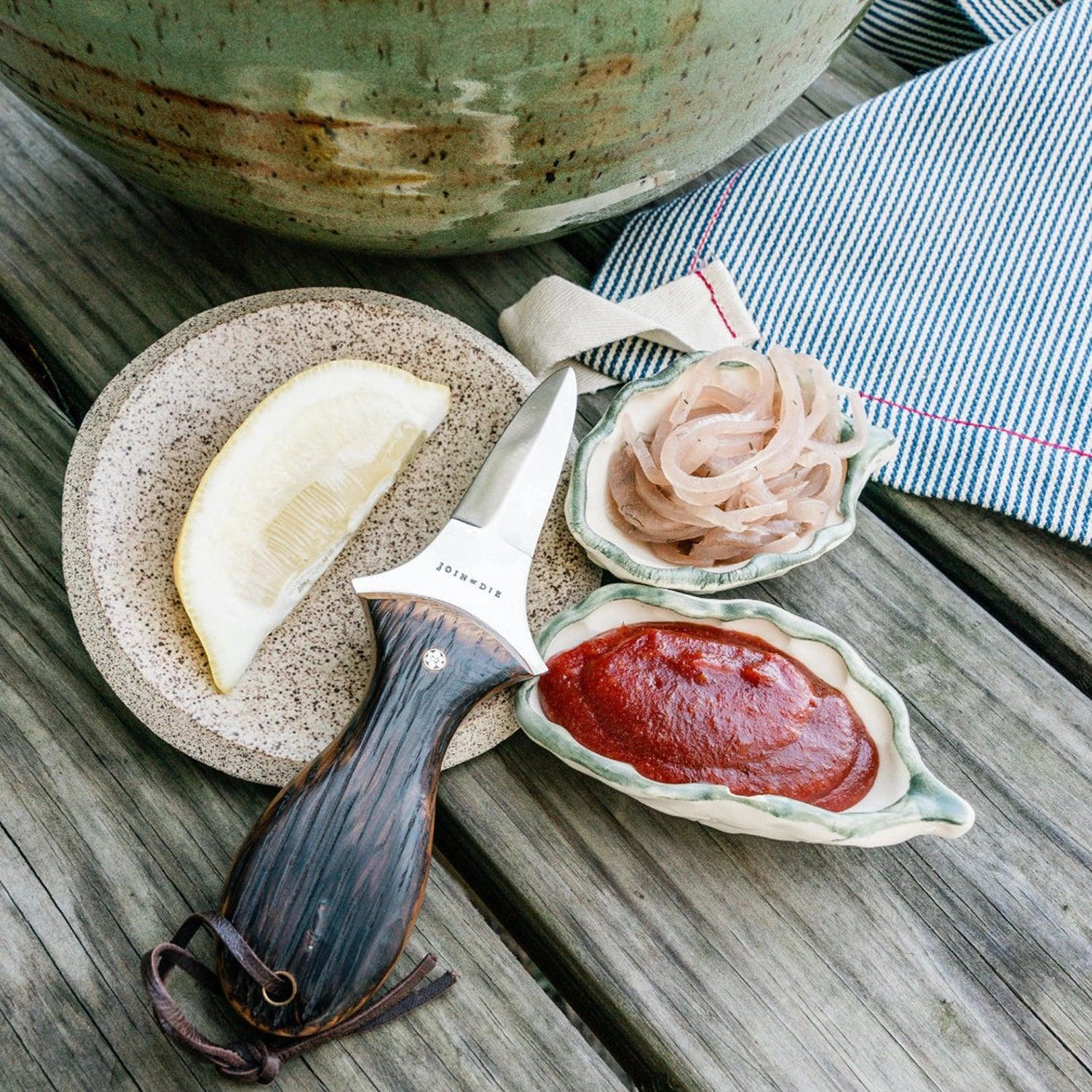
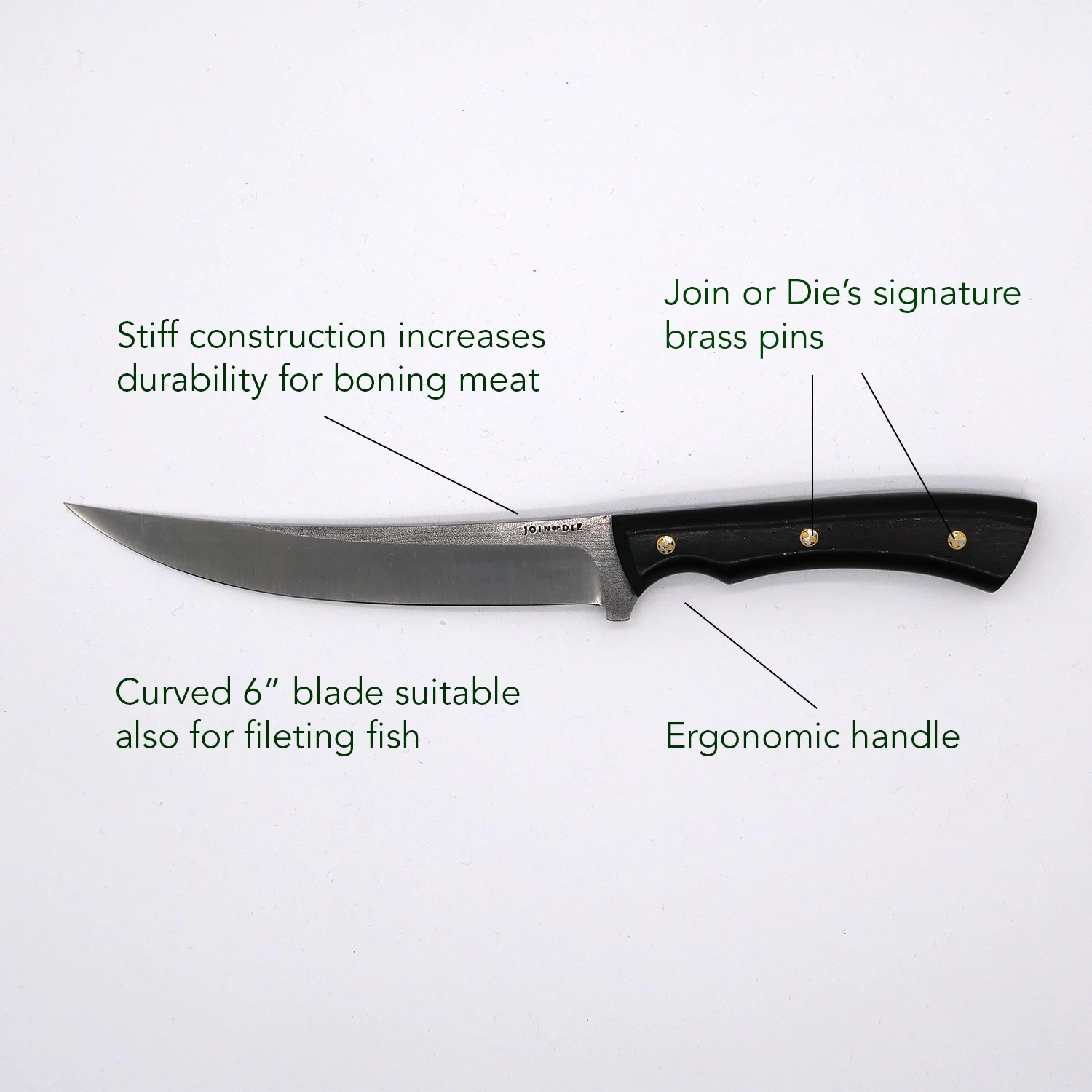
A factory knife is stamped out of a sheet, the handle pinned on, the whole thing polished until it shines. It will open an oyster. It will also feel like what it is.
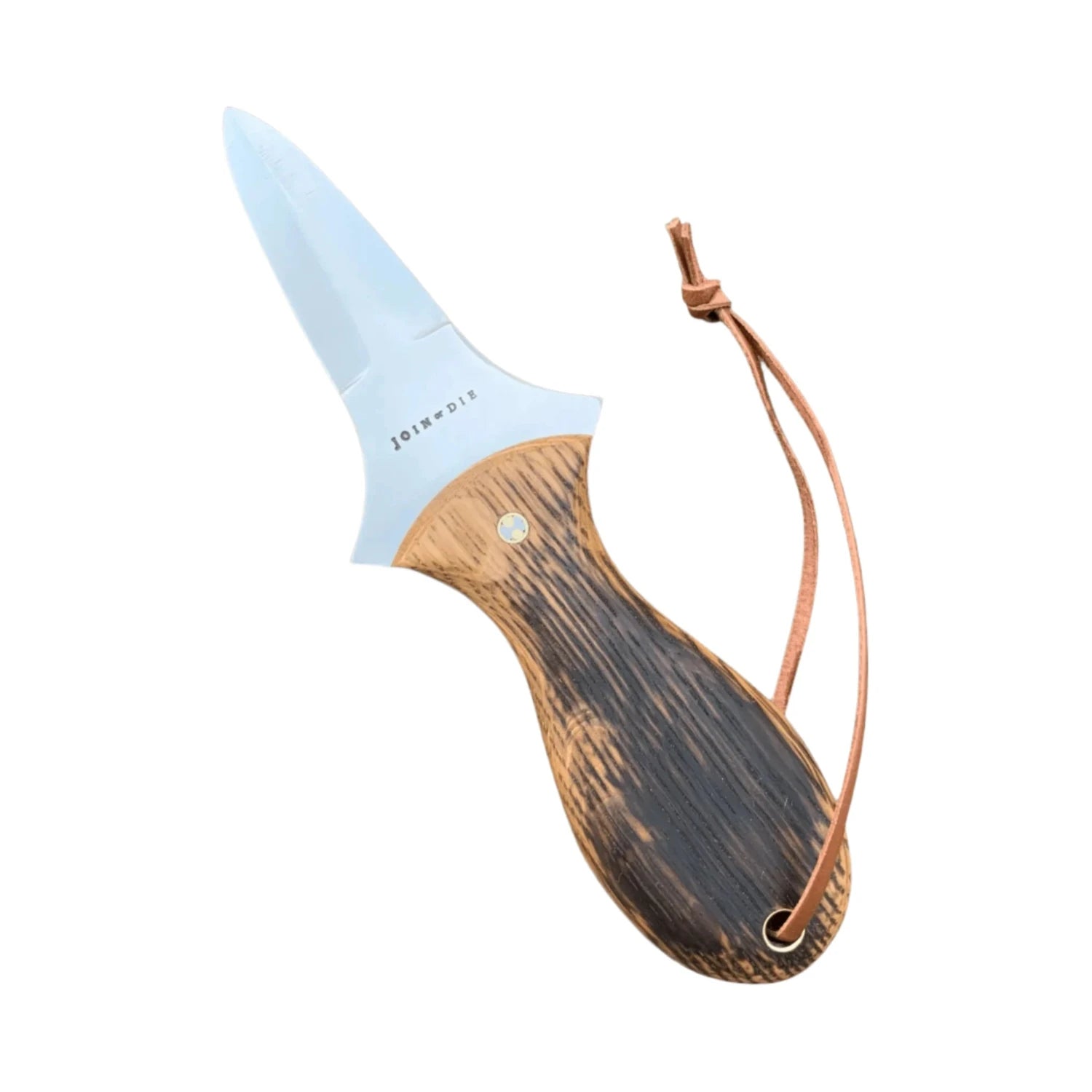
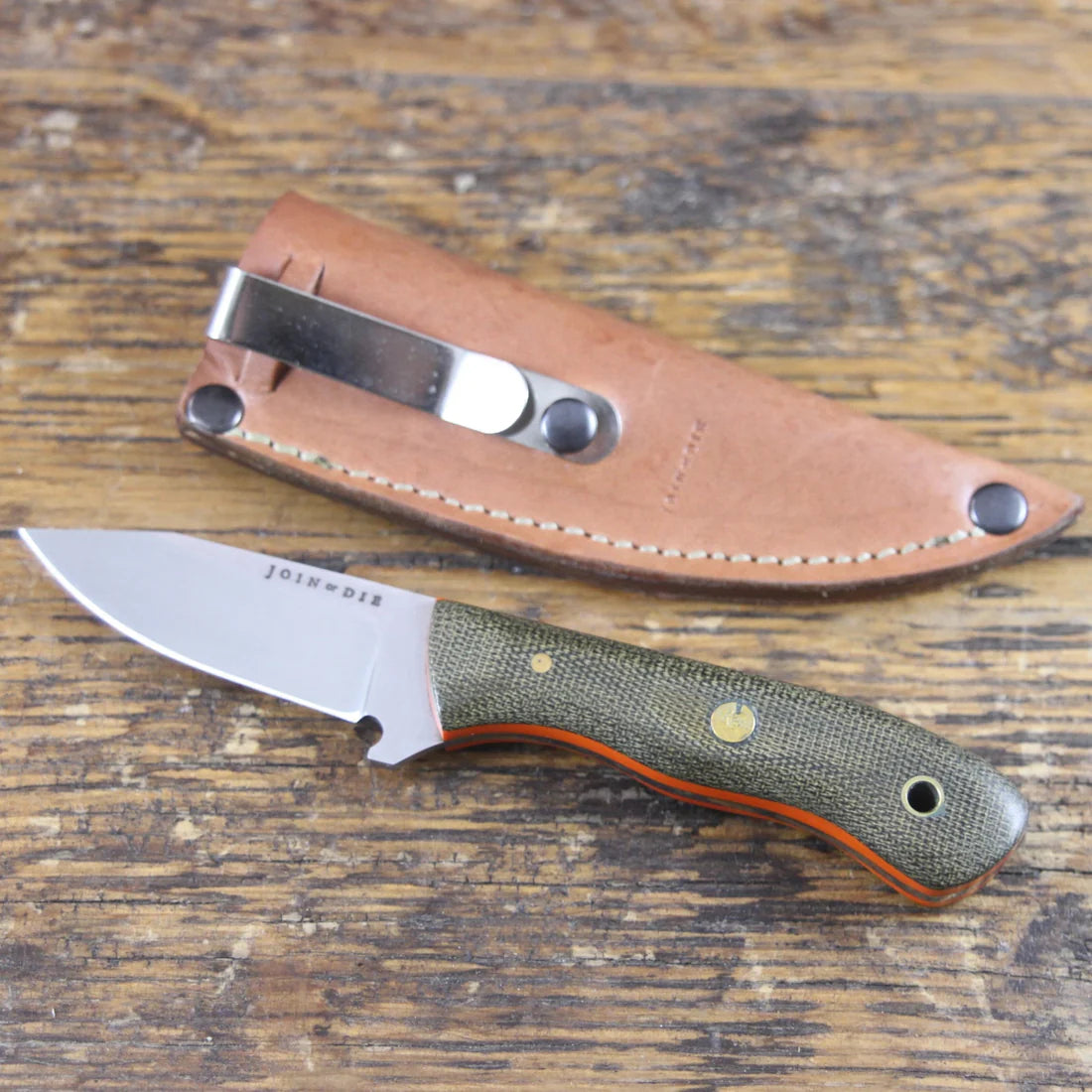
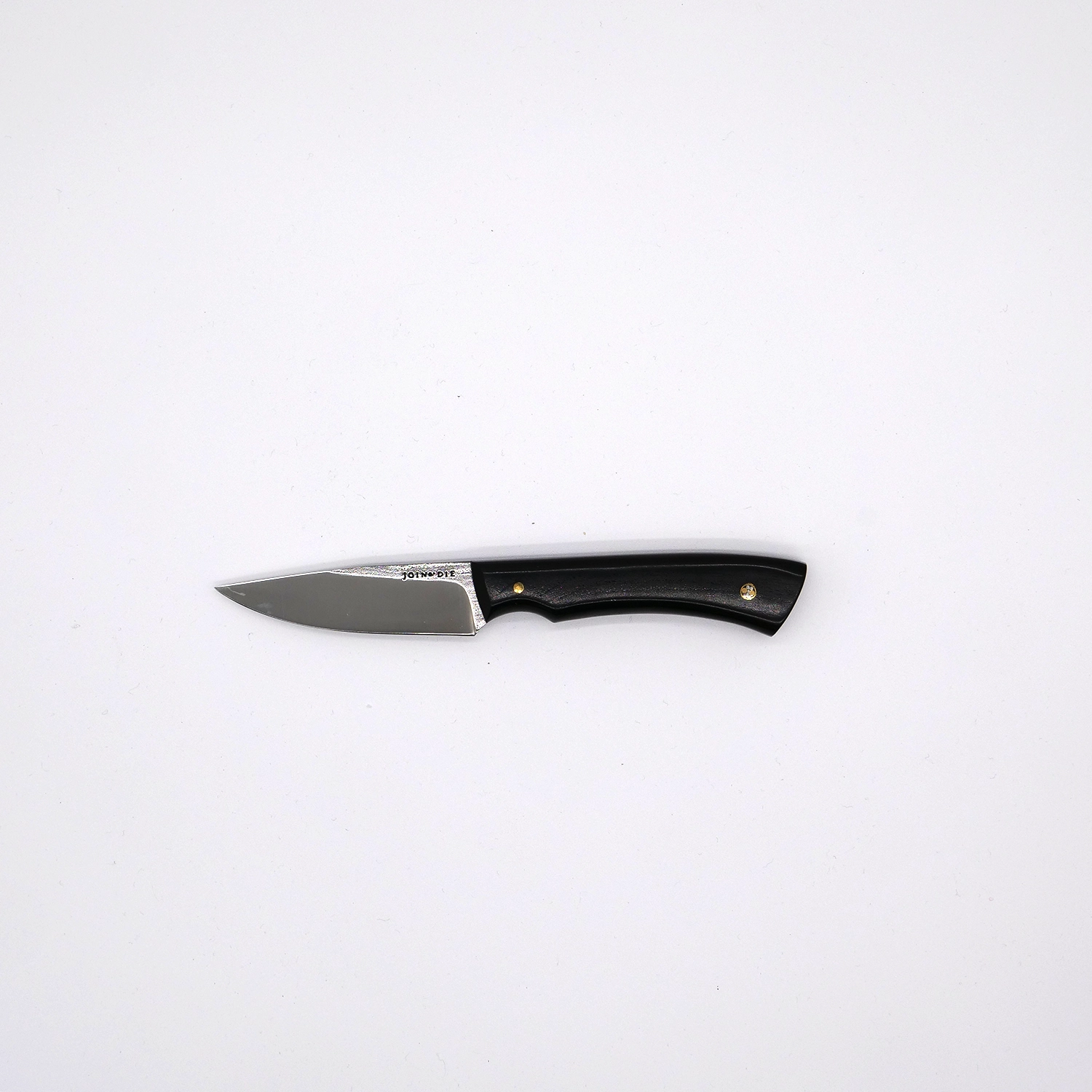
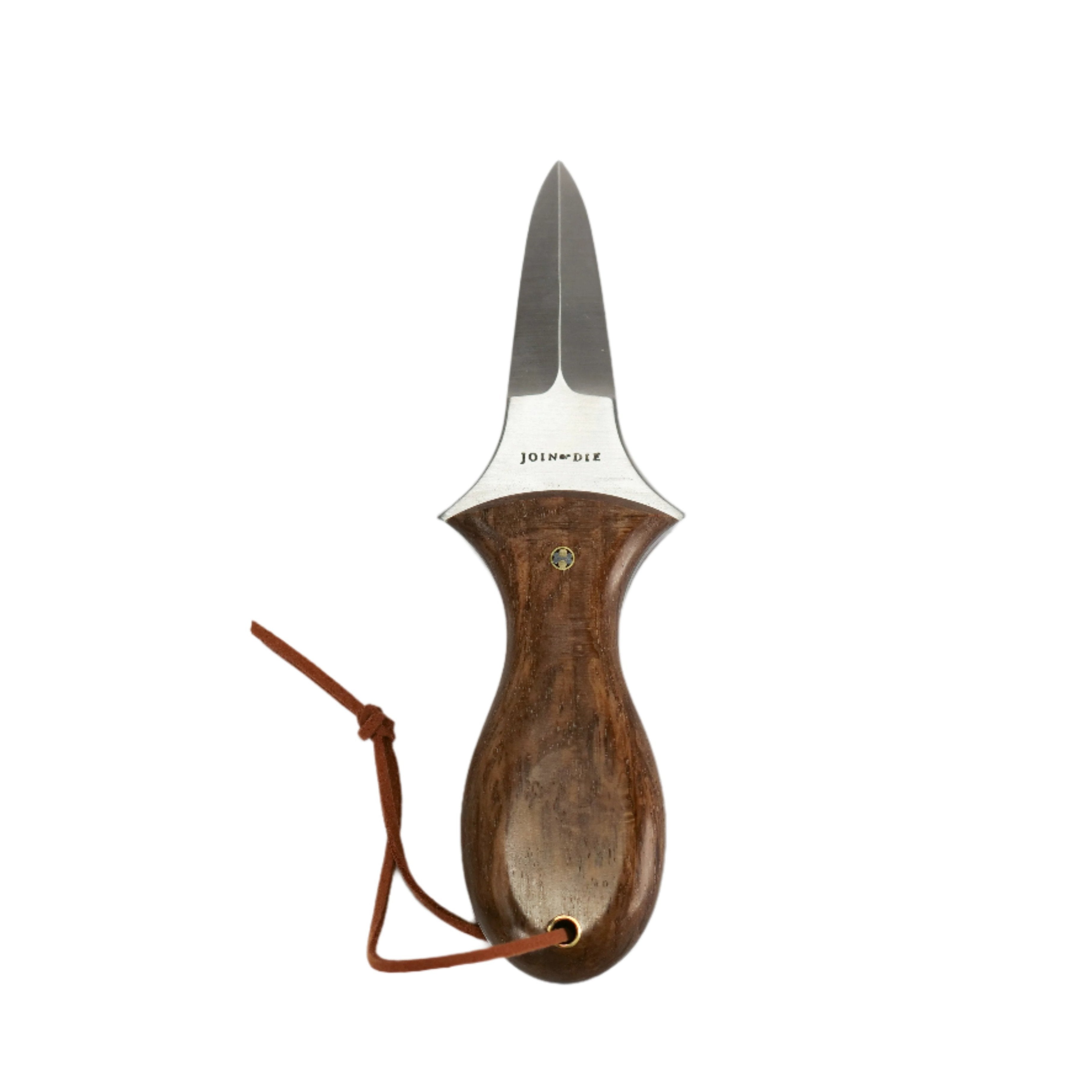
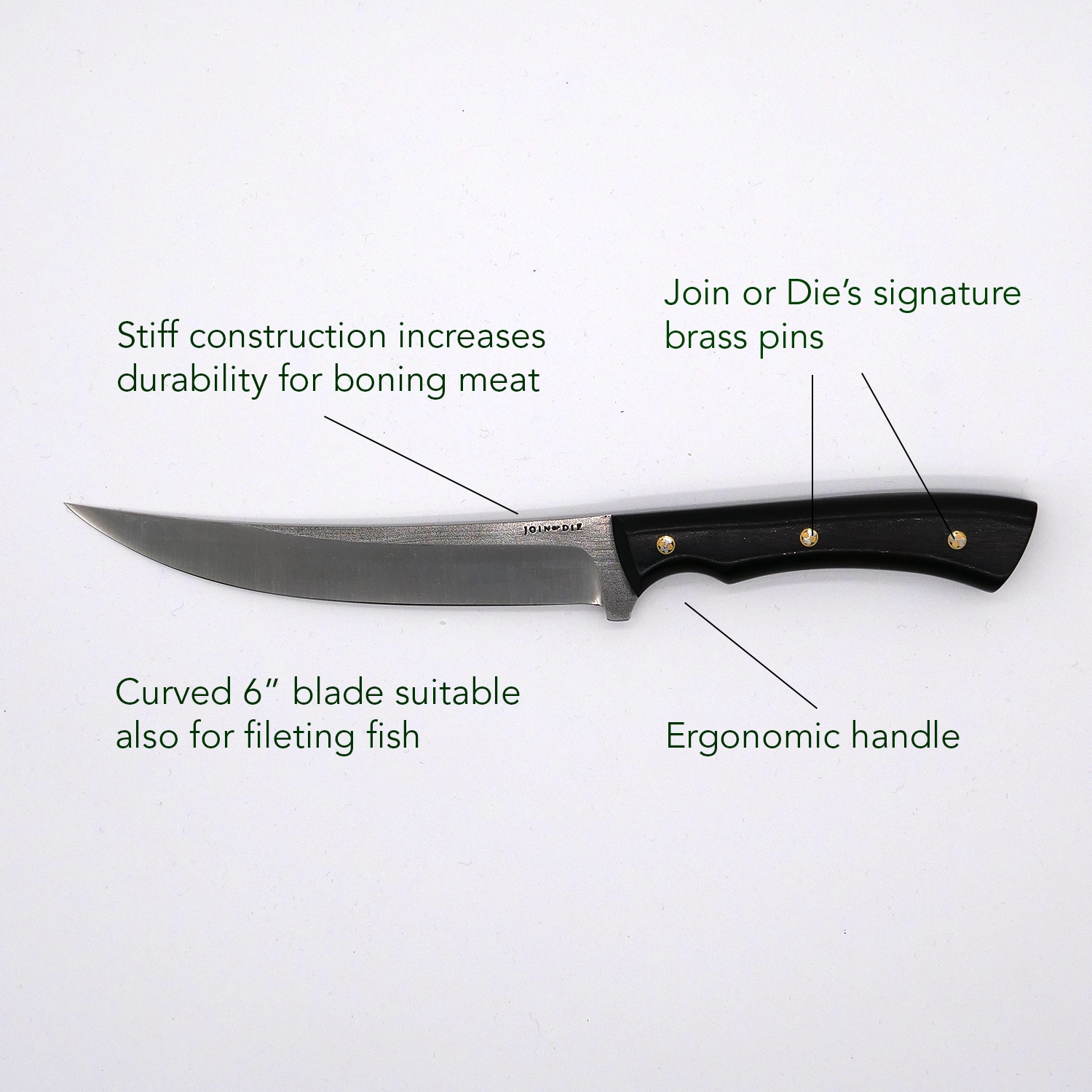
Brent’s are made one at a time in a Richmond shop, and you feel it before you can name it — the weight sits differently, and the handle has been fitted to that blade and no other. Every piece of wood in his knives did something else first.
It’s the difference between a tool you replace and one you hand down.
A tree called Betty White
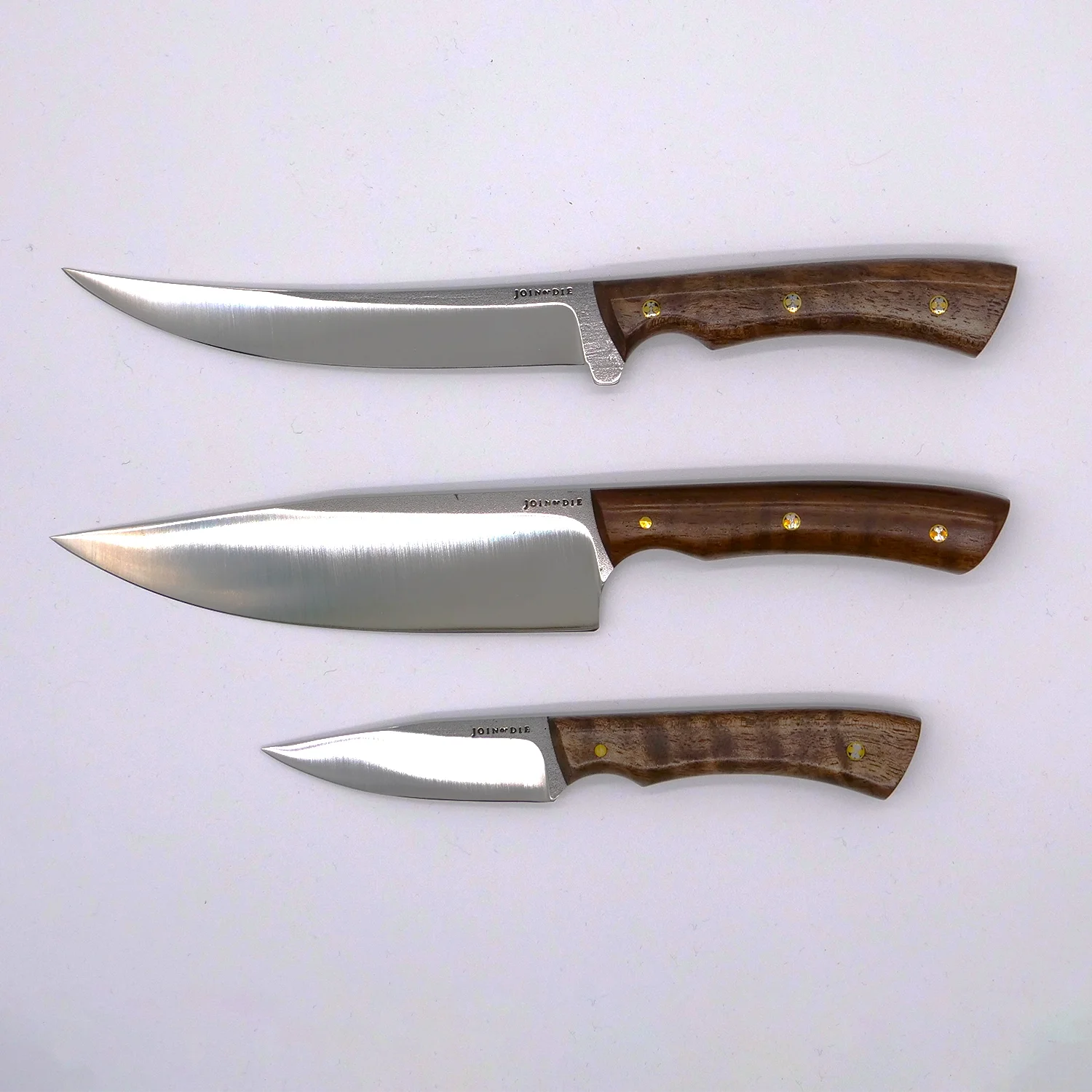
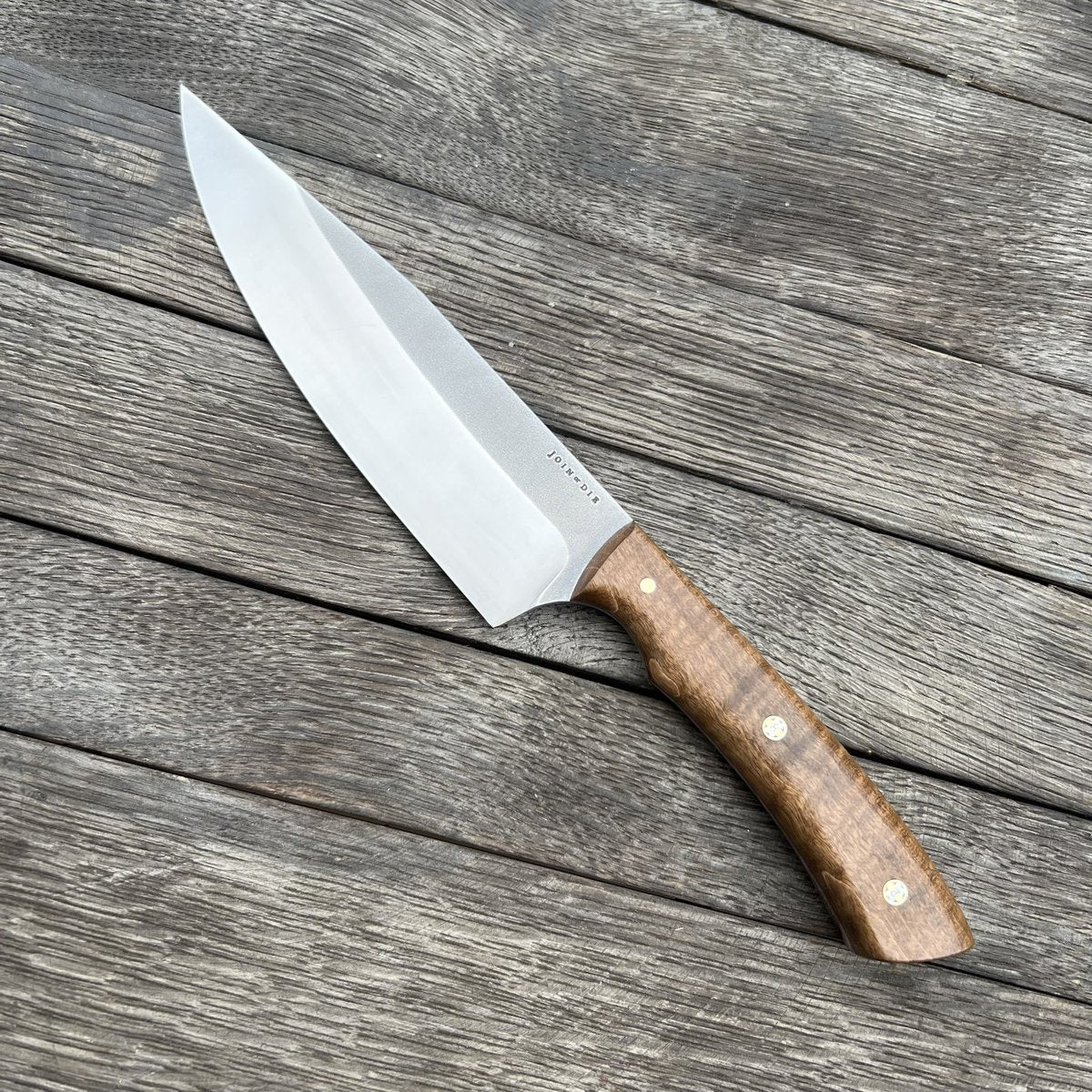
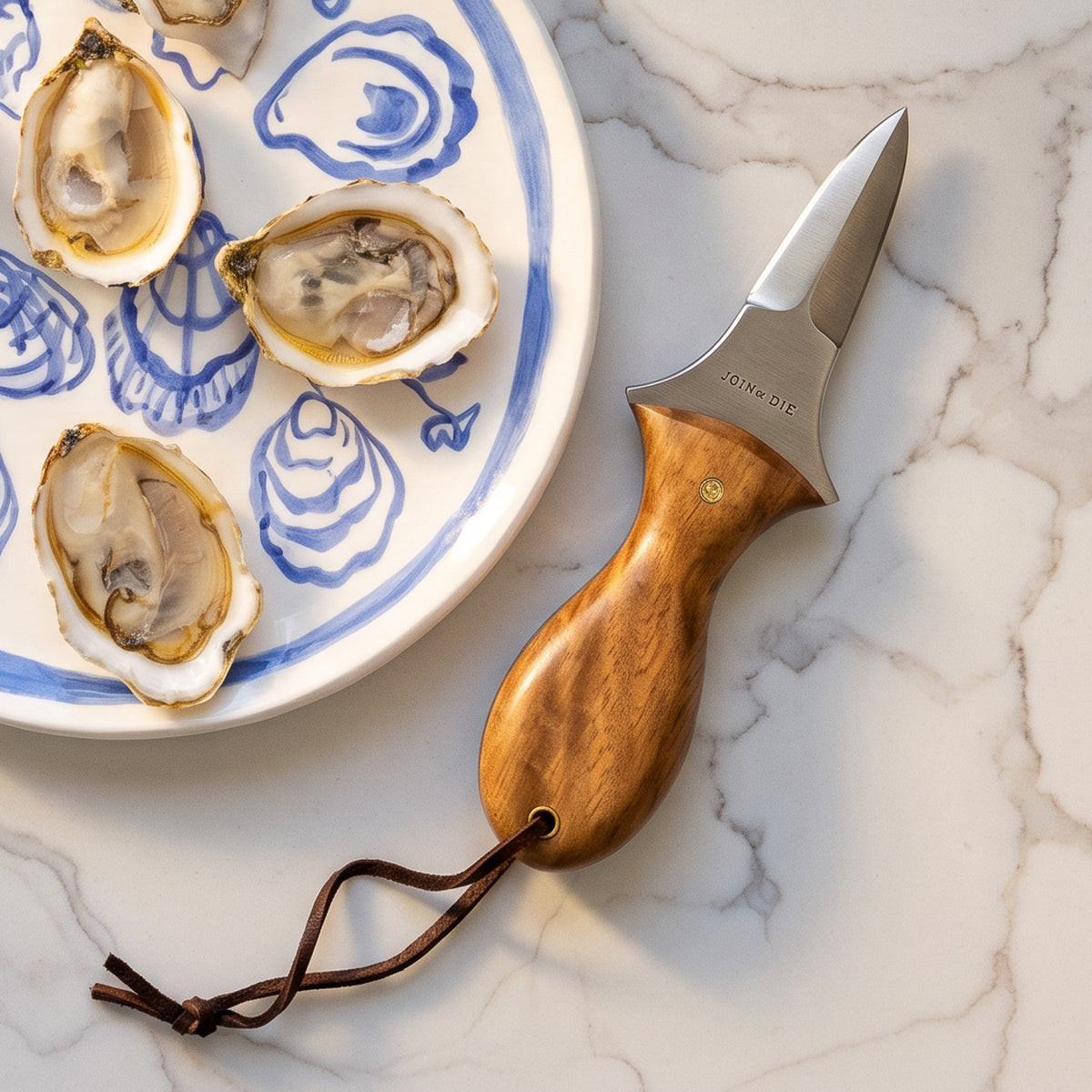
Brent rarely buys handle stock off a shelf. The wood in his knives has usually done something else first — oak staves that spent years holding bourbon, red oak out of a tobacco barn on his own property, black walnut.
So we asked him to work with a piece of Savannah. A three-hundred-year-old live oak came down in McCauley Park, the one the kids from the school down the street played under. They called her Twister; the grown-ups called her Betty White. The wood was stabilized and buffed until the grain came up, then fitted with a brass guard and mosaic pins, same as every knife he makes.
Some forged, some ground
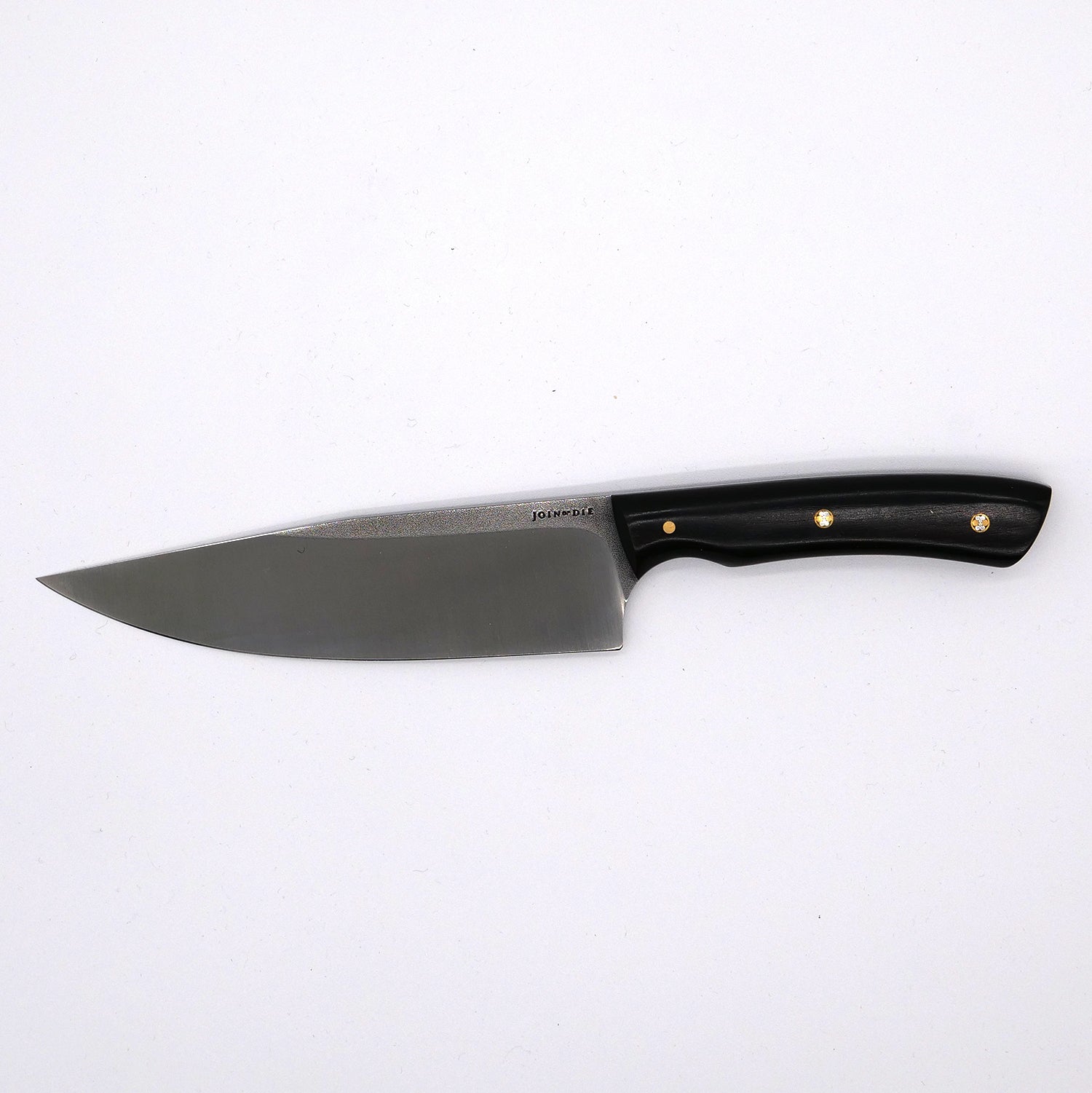
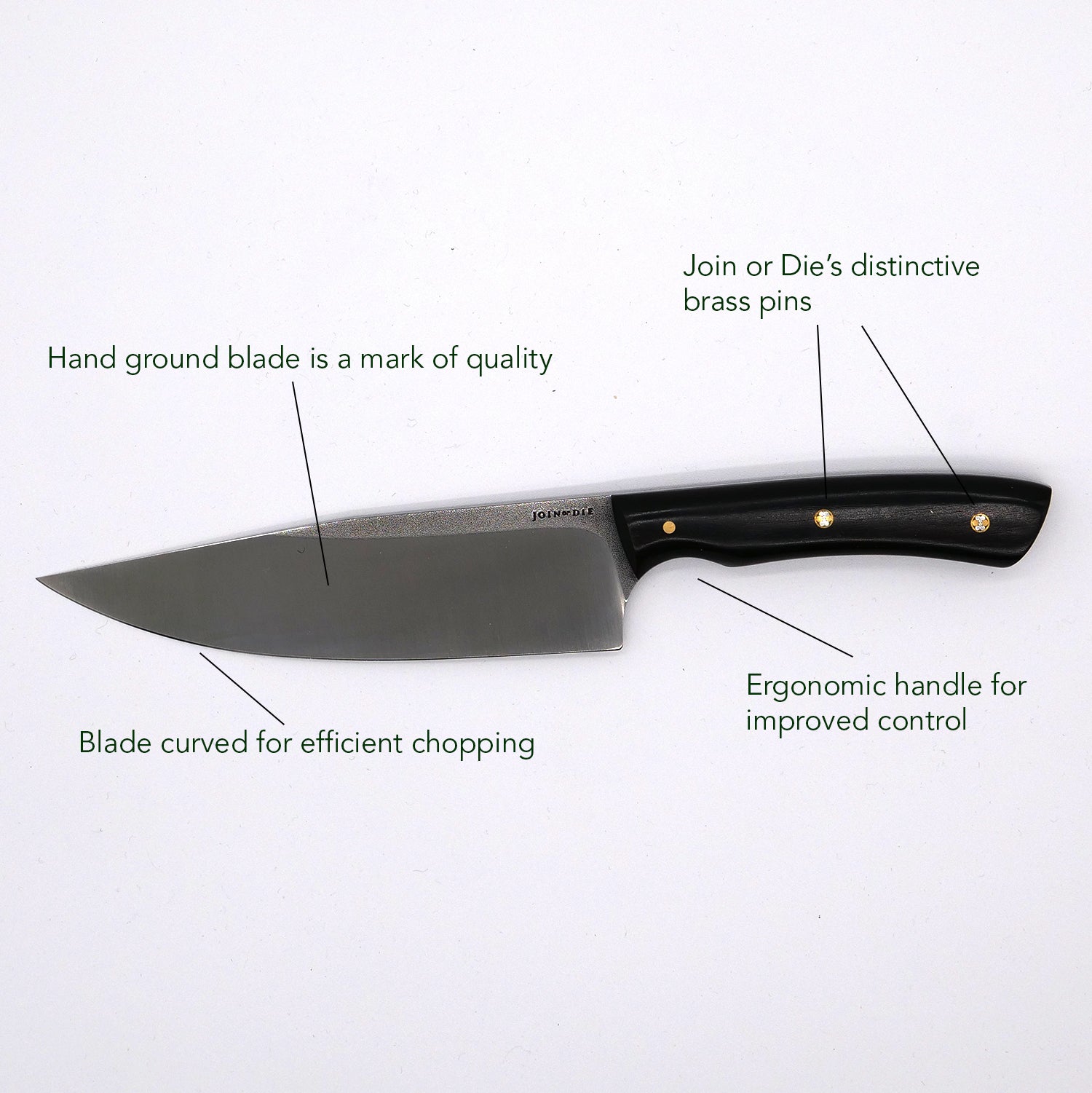
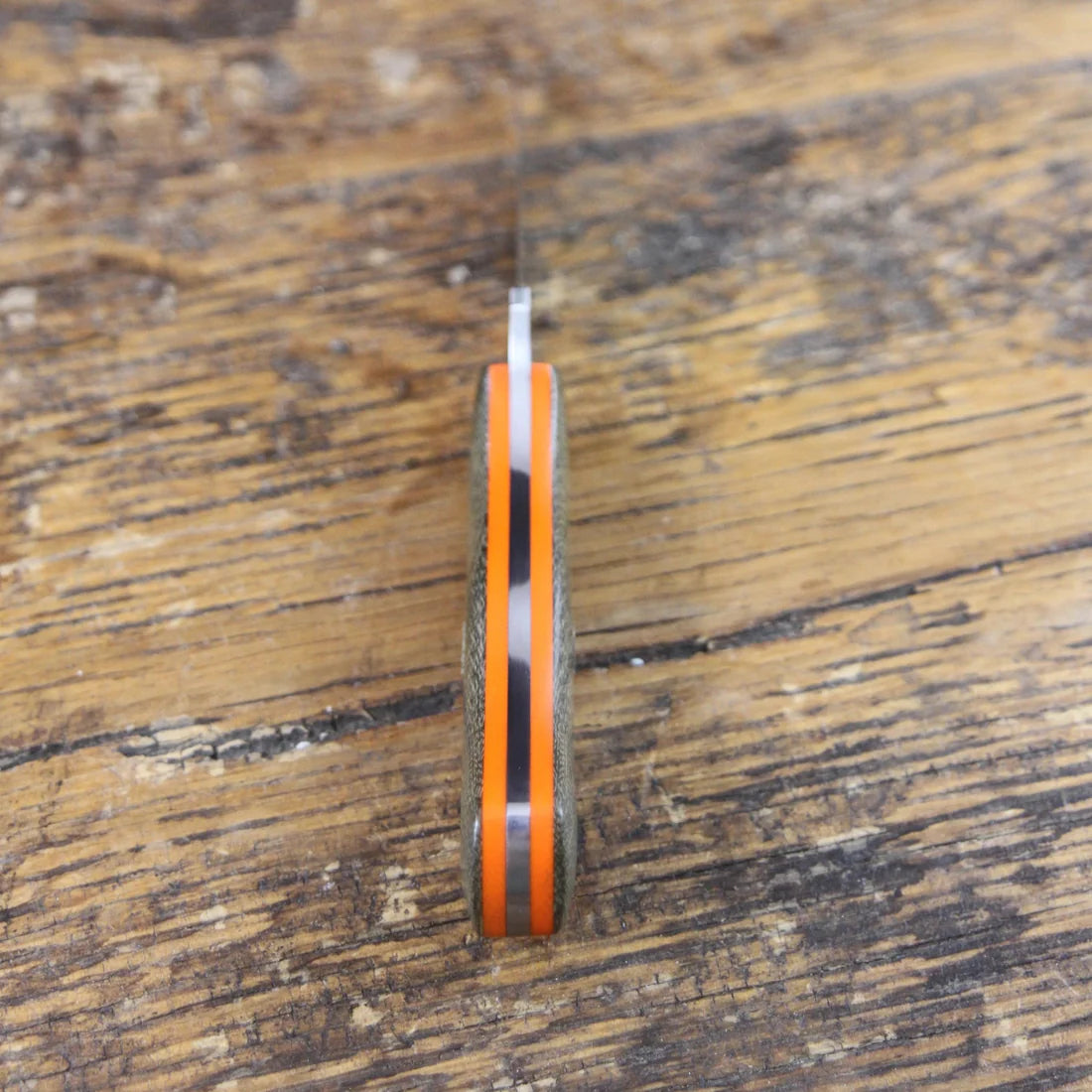
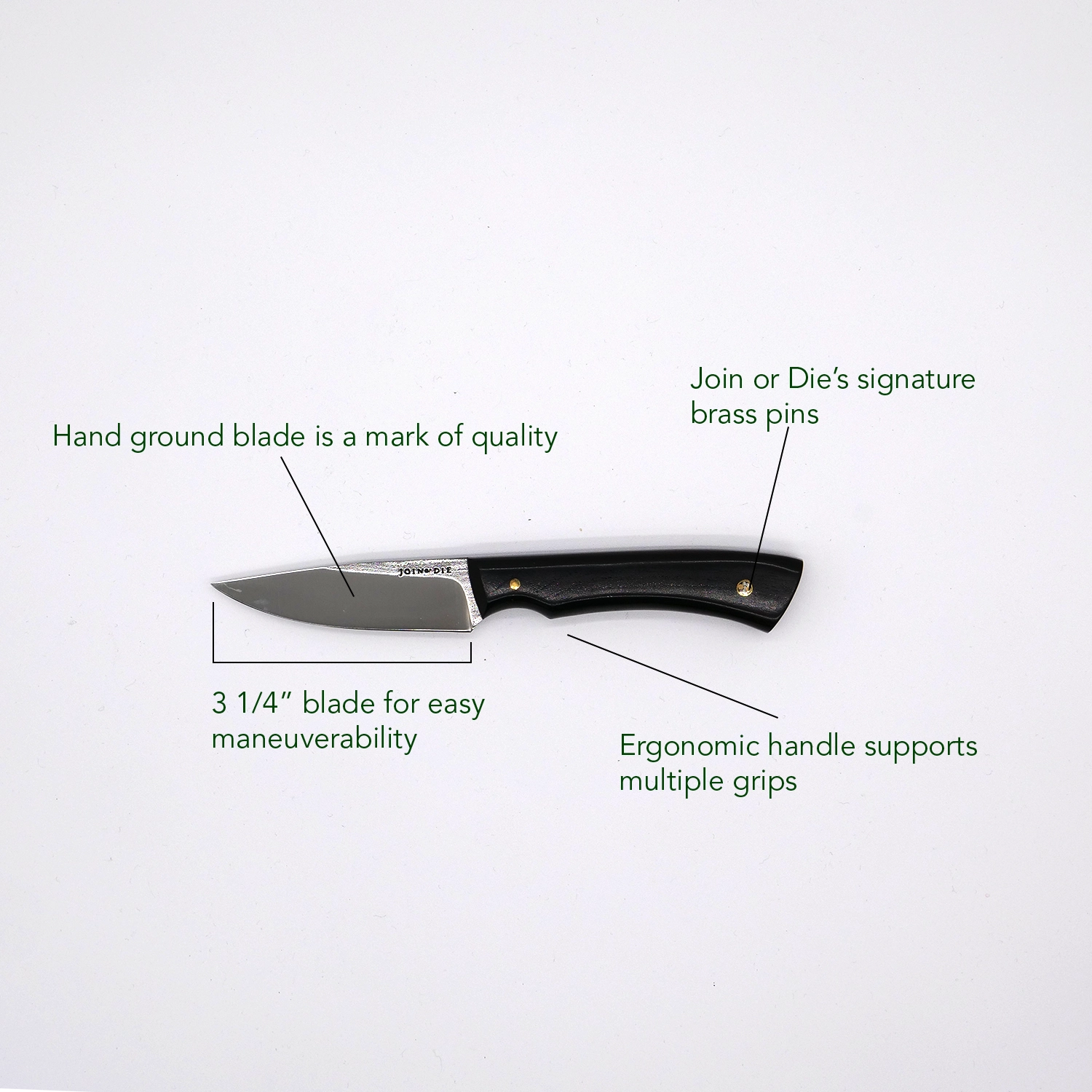
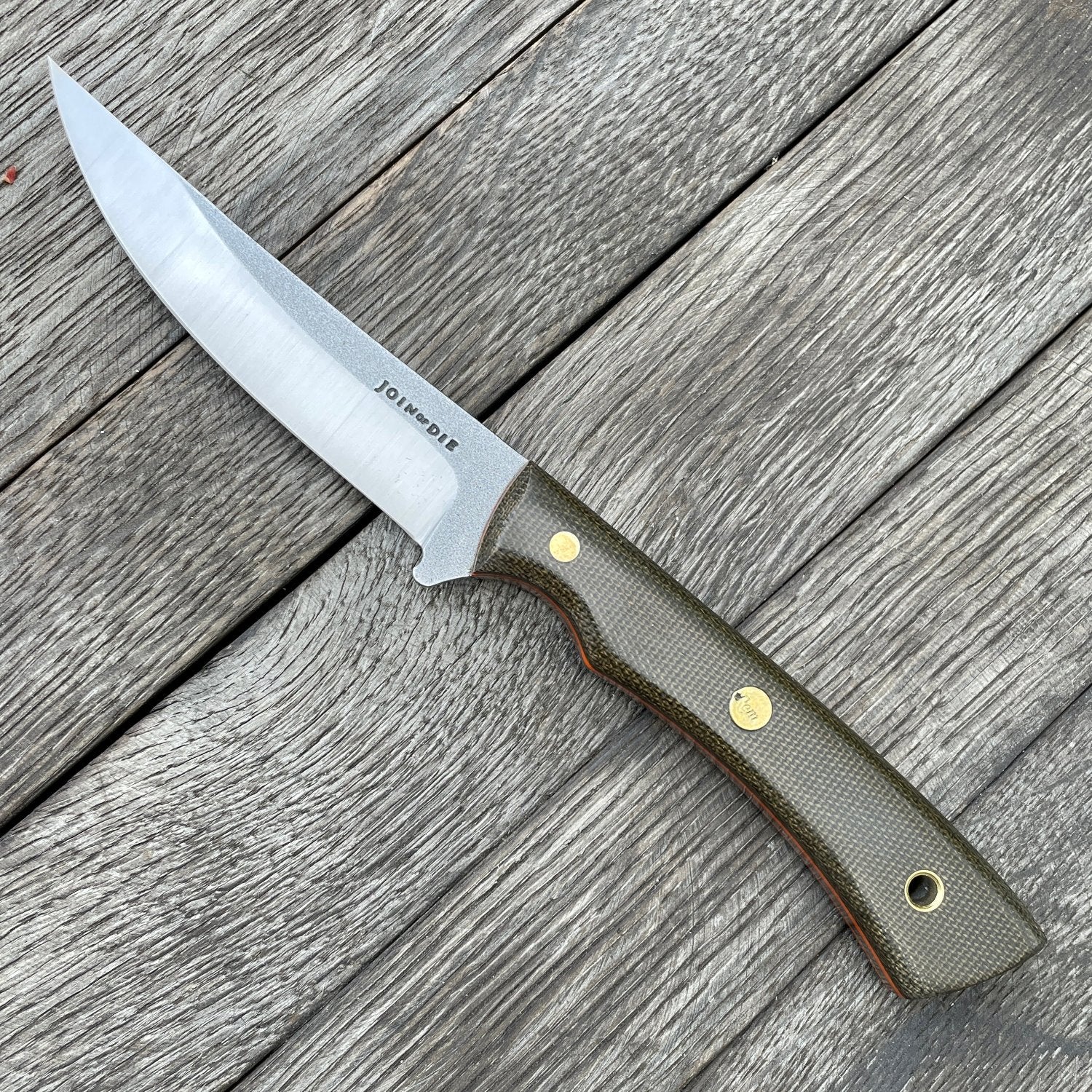
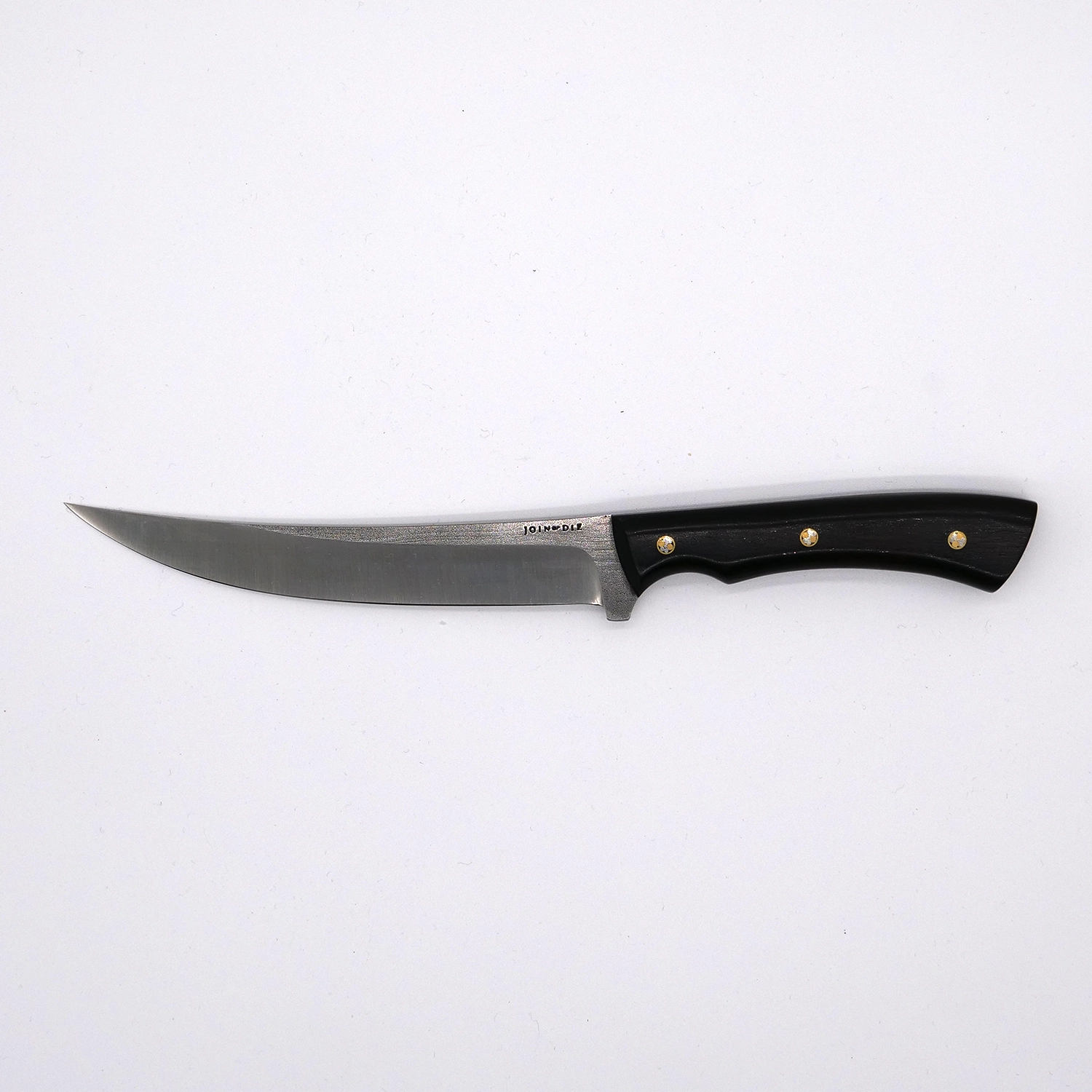
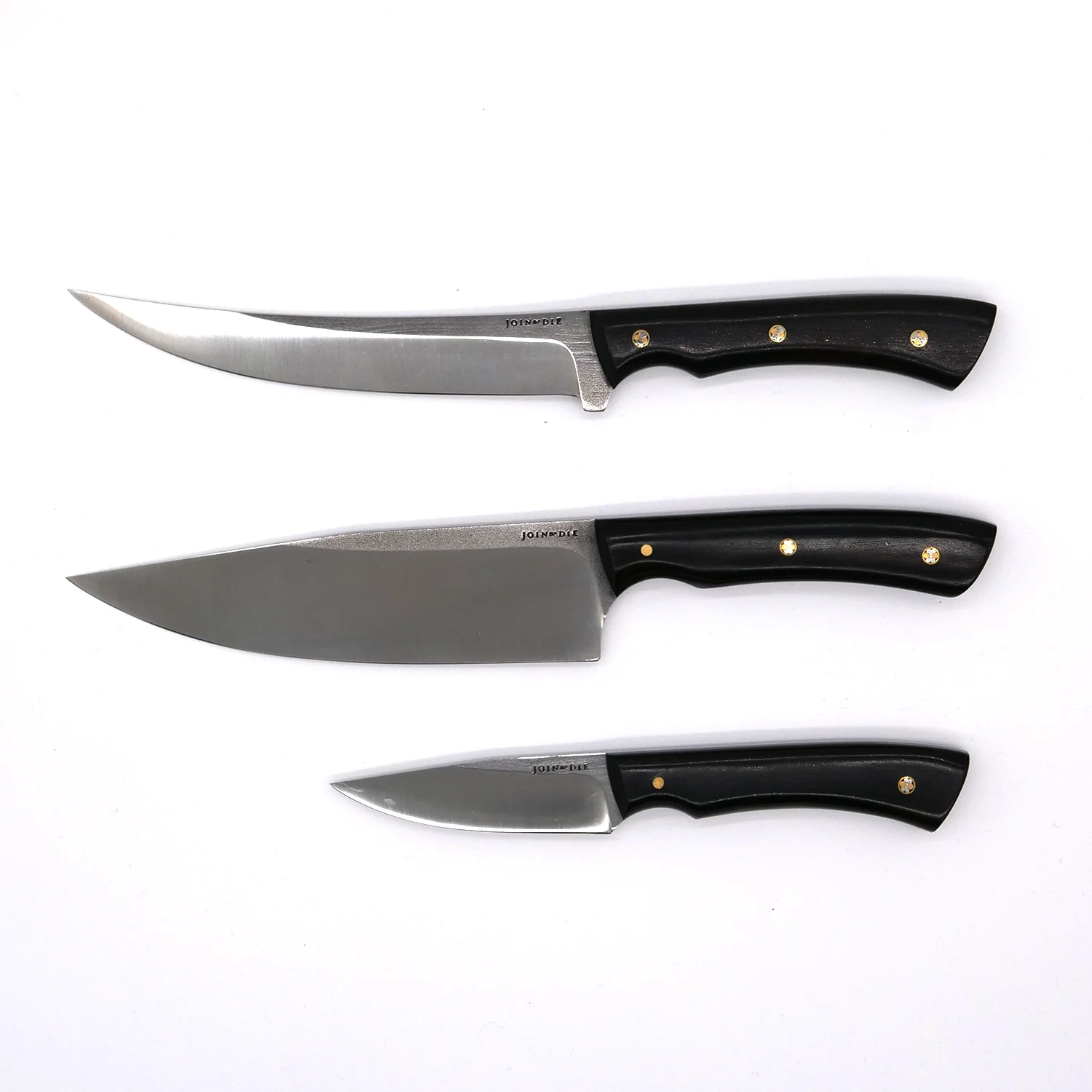
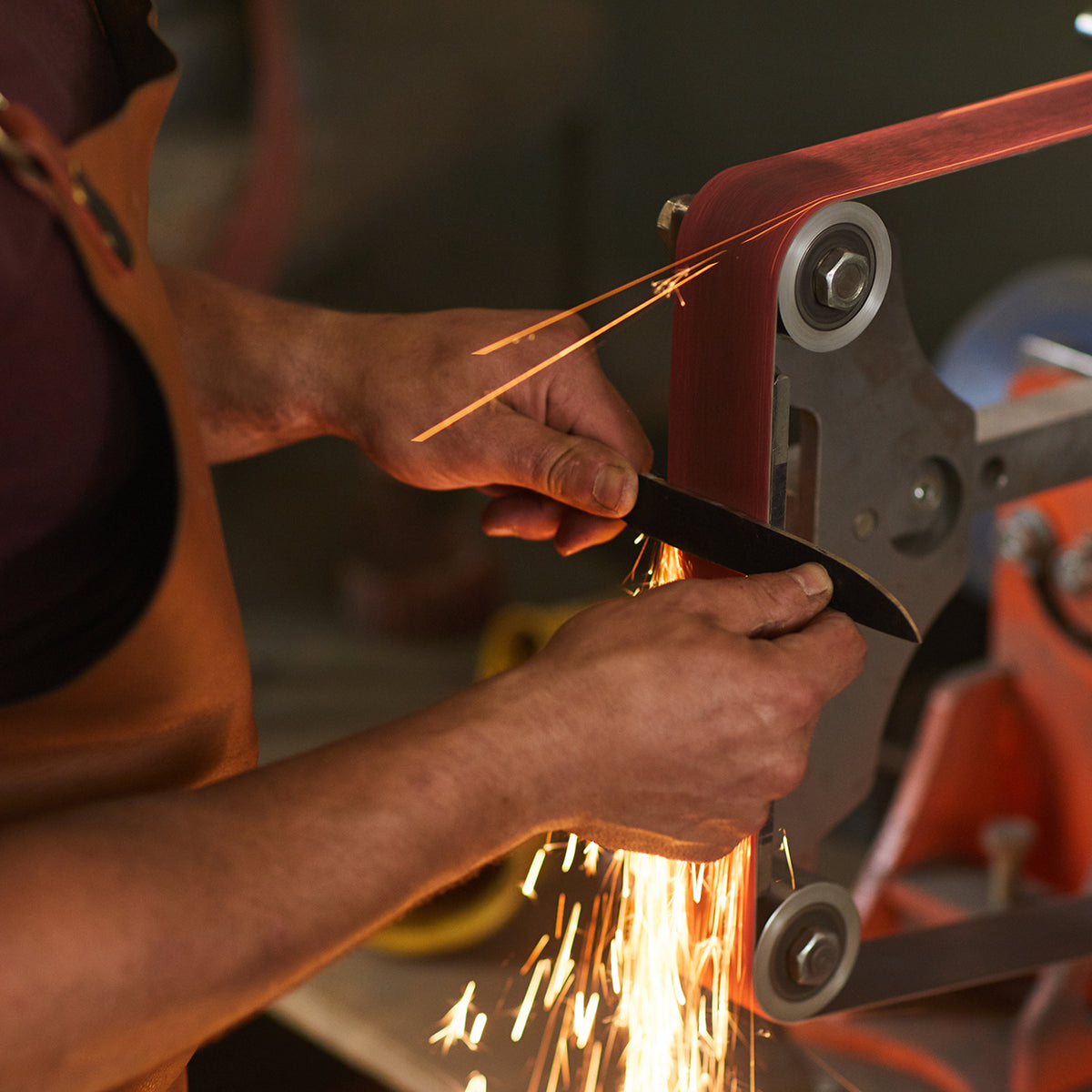
Some blades Brent forges; others he grinds from bar stock. Either way it’s Nitro-V, a stainless that takes a hard edge and keeps it, and the steel runs the full length of the handle rather than stopping at the guard — what keeps a knife balanced and hard to break.
Grinding an edge leaves scratches, and a factory buffs them out in a blur. Brent sands his away by hand, so the fine lines run parallel to the blade instead of across it. It’s the quickest way to tell whether a person finished a knife.
Brent Stubblefield
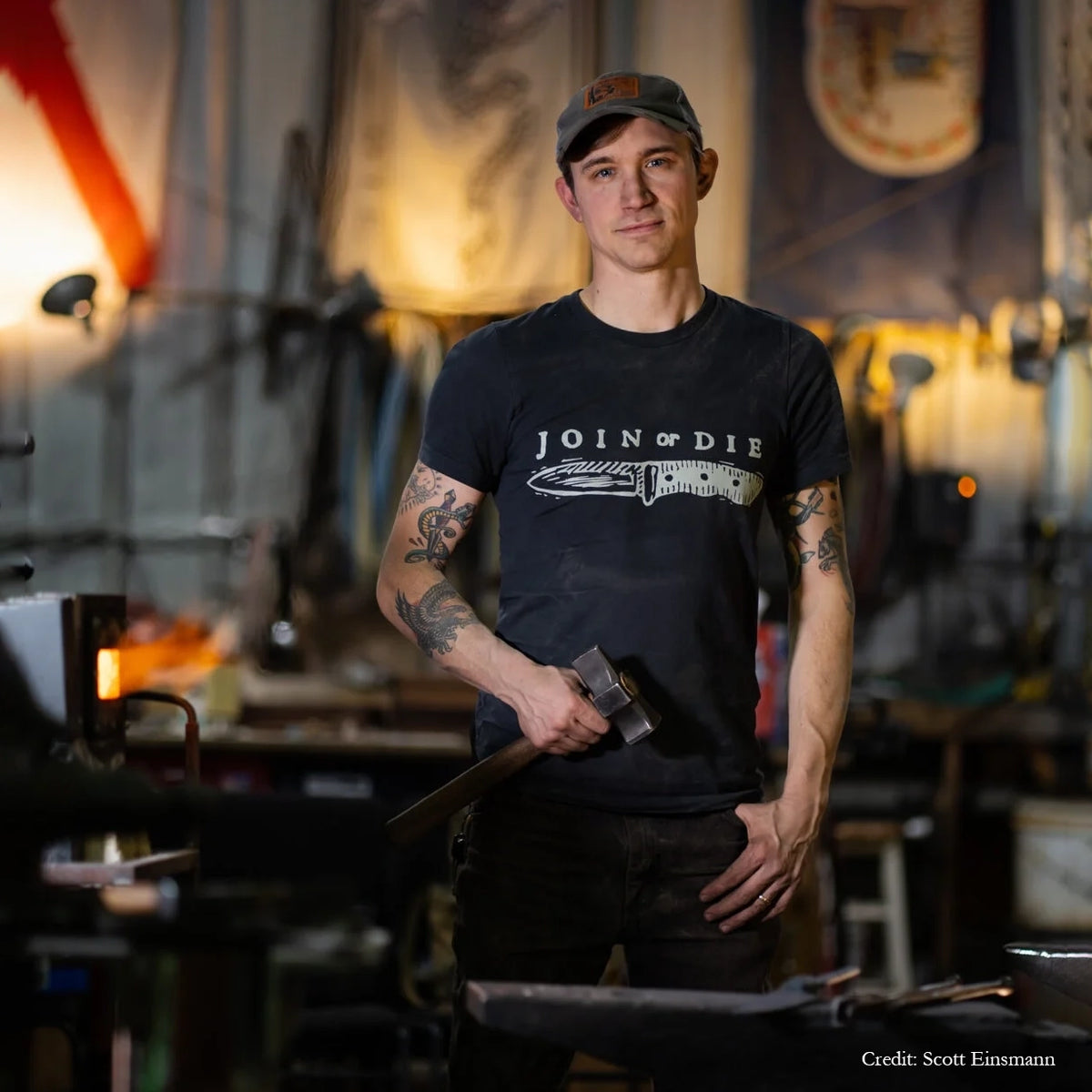
Brent Stubblefield leads a small team of knife makers in Richmond, Virginia, turning out kitchen, everyday-carry, outdoor and historical-reproduction knives by hand. He started with a creative hobby and took the risk of making it the work — which in this trade means expensive tooling, slow going, and a skill that takes years before it pays anything back.
What sets the knives apart is the handles. Oak staves reclaimed from bourbon barrels, wood salvaged from a tobacco barn on his own Virginia property, black walnut. For cooks, the blades run lighter than anything made at scale and look better on the counter. The materials are the part nobody else can order.
Recently viewed products
Our Retail Location
114 Bull Street
Savannah, GA
Monday, Thu-Sat: 10:00am - 5:00pm
Sunday: 12:00pm - 5:00pm
Closed Tuesday and Wednesday
Our Company
Our Company
Customer Care
Customer Care